Market briefing
Understanding the Evolution of Trading Activity: Exploring Algorithmic Trading, Social Media Impact, and Dark Pools in Today’s Financial Market
Trading activity is an essential component of the financial market landscape, and it is always evolving. Today’s investors have a plethora of options available to them, which can make navigating the market a complex task. Still, understanding trading activity – the buying and selling of securities – can make investment decisions more informed and potentially lucrative.
One aspect of trading activity that has captured the attention of many investors recently is the rise of algorithmic trading.
Unlike traditional forms of trading, algorithmic trading involves the use of complex formulas and high-speed computers to execute trades.
The appeal of algorithmic trading lies in its ability to make quick decisions based on real-time data, execute trades faster than a human could, and minimize emotional trading decisions. It is increasingly used by large institutional investors due to its ability to handle enormous volumes of trades, but it’s also becoming more accessible to individual investors due to advancements in technology.
Despite being an efficient way to trade, algorithmic trading does have its challenges.
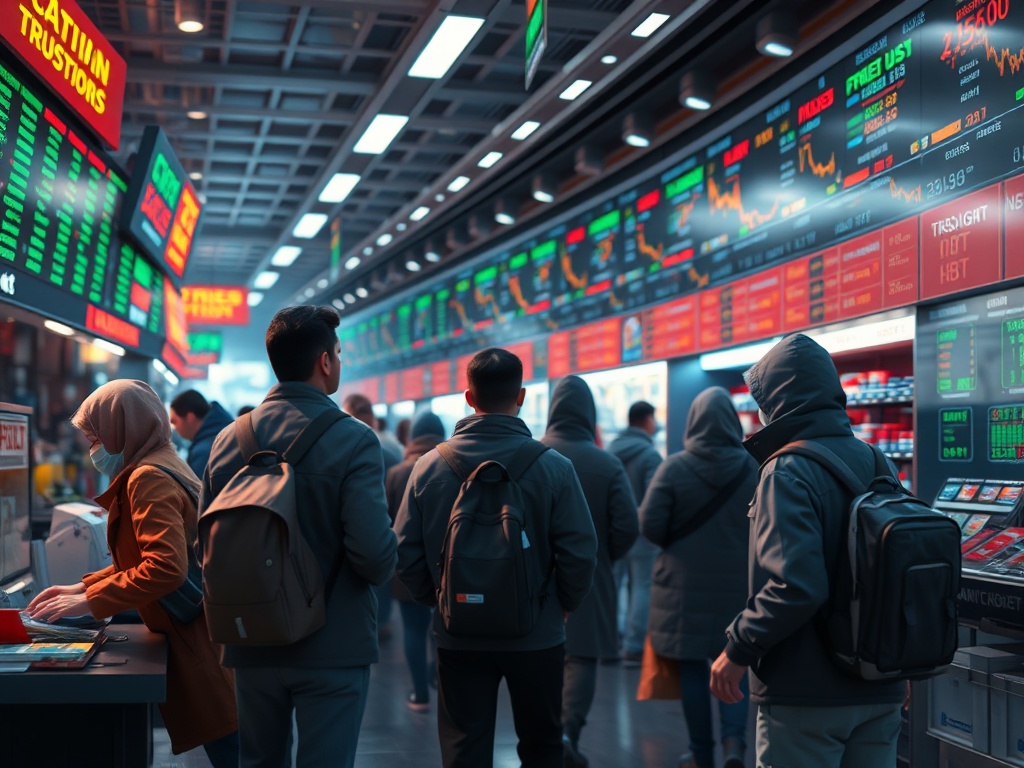
The use of algorithms means that trades are made based on mathematical formulas, which may not always accurately predict market behavior.
Additionally, the speed at which trades are executed can lead to sudden market changes, which can be difficult for human traders to keep up with.
Another significant topic in trading activity today is the impact of social media on investment decisions.
Many investors are turning to social media platforms to gather information and influence their trading decisions. This shift has led to a surge in what’s known as “sentiment analysis”, where traders use tools to track and measure public opinion about certain stocks or the market as a whole.
While social media can provide valuable insights, it’s important to approach such information with caution. Just because a particular stock is trending on social media doesn’t necessarily mean it’s a good investment. Investors should always do their own research and consult with a financial advisor before making any major investment decisions.
Currently, regulatory bodies are also paying close attention to trading activity, especially when it comes to high-frequency trading and dark pools. High-frequency trading, like algorithmic trading, uses powerful computers to execute trades at incredibly fast speeds. Dark pools, on the other hand, are private exchanges where people can trade stocks without disclosing their activities to the public.
Both high-frequency trading and dark pools have their advantages and disadvantages. High-frequency trading can contribute to market efficiency, but it can also exacerbate market volatility. Dark pools can protect traders from predatory practices, but they can also make the market less transparent.
To navigate the evolving landscape of trading activity, investors need to stay informed. This includes understanding the different types of trading activity, the potential risks and benefits, and the impact of technology and social media on the investment landscape. It’s an exciting time to be an investor, with new opportunities and challenges emerging every day.
As trading activity continues to evolve, investors who take the time to understand the market’s intricacies can position themselves for success.
Whether it’s exploring algorithmic trading, analyzing sentiment on social media, or understanding the implications of dark pools, staying abreast of the latest trends in trading activity is crucial in today’s fast-paced financial world.