Market briefing
Ultimate Guide to Trading Activity: Volume, Order Flow, Liquidity & Execution Tips to Stay Ahead
Trading Activity: What Moves Markets and How Traders Stay Ahead
Trading activity drives price discovery and liquidity across markets. Whether you’re watching equities, futures, forex, or crypto, understanding the forces behind trading volume, order flow, and volatility makes the difference between guessing and trading with an edge. This article explains what fuels trading activity and gives practical ways to interpret and act on it.
What fuels trading activity
– Market news and macro drivers: Economic releases, central bank commentary, and corporate earnings trigger spikes in activity as participants reassess risk and valuations.
– Liquidity events: Rebalancing dates, index adjustments, and large institutional orders concentrate volume and can widen spreads temporarily.
– Retail participation: Advances in trading platforms and fractional shares increase retail involvement, especially around high-profile events or social-driven themes.
– Algorithmic and high-frequency strategies: Automated strategies provide constant liquidity but also amplify short-term activity when many algorithms respond to the same signals.
– Market structure changes: New listing venues, order types, and regulatory updates alter how and where orders execute, shifting trading patterns over time.
How to read trading activity
– Volume vs. price movement: Rising volume on a price advance confirms strength; large volume on a price decline can signal distribution. Look for divergences where price moves without supporting volume—these are caution flags.
– Order flow and footprints: Level II quotes, time & sales, and footprint charts reveal whether buyers or sellers are aggressive. Persistent marketable sell orders at the bid indicate selling pressure; absorption by limit orders suggests support.
– Spread and depth: Tight spreads and deep order books indicate healthy liquidity.
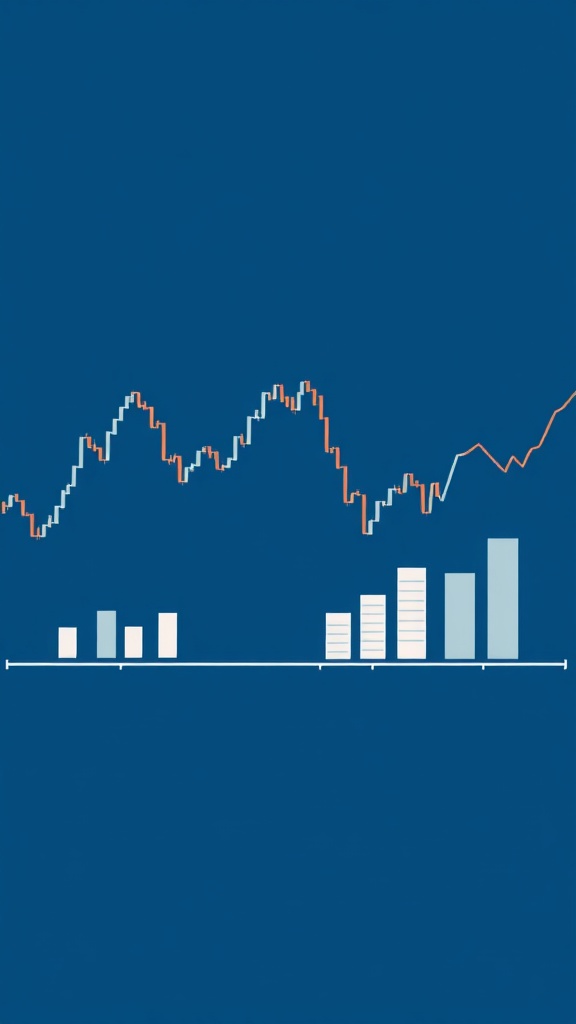
Conversely, widening spreads and thinning depth can foreshadow higher execution costs and slippage.
– Volatility clusters: Volatility tends to cluster. Periods of elevated volatility are followed by more active trading; prepare for potential whipsaws and larger price ranges.
Tools and indicators that matter
– Volume profile and VWAP: Use volume profile to identify price levels with heavy traded volume (value areas). VWAP helps institutional-style entries and benchmarks execution quality.
– Order book analytics: Watch changes in depth and hidden liquidity. Sudden removal of large bids or offers often precedes aggressive price moves.
– Implied vs. realized volatility: Compare options-implied volatility with realized volatility to gauge how much volatility the market is pricing in versus what’s occurring.
– Heatmaps and flow indicators: Visual tools show where trading interest clusters across price levels and time frames, helping anticipate support/resistance.
Execution and risk management
– Scale into positions: Break large orders into smaller slices to minimize market impact. Use limit orders around high-volume nodes and participate gradually in thin markets.
– Monitor slippage and fees: Execution quality matters. Track slippage against benchmarks and choose venues and order types that reduce transaction costs.
– Position sizing and stop discipline: Let trading activity inform position size. Higher volatility means smaller size or wider stops; low activity may favor patience.
– Diversify timeframes: Combine short-term execution cues with longer-term trend context to avoid getting whipsawed by isolated volume spikes.
Practical habits for traders
– Check multiple time frames and volume indicators before committing.
– Keep an eye on news and scheduled events that concentrate activity.
– Use simulated execution to test algorithmic slices and measure market impact.
– Review trade tapes to learn how your orders affected price in different liquidity conditions.
Reading trading activity is both art and science.
By combining volume analysis, order flow observation, and disciplined execution practices, traders can better navigate changing market conditions and improve trade outcomes.