Market briefing
Transforming Credit Markets: Digitization, Green Lending and Future Trends
The credit markets have always been a key area of interest for investors and financial analysts alike.
Recently, their evolution has been garnering attention due to the innovative steps being taken to improve lending efficiency, risk management, and overall market transparency.
Credit markets play a crucial role in the global financial system. They facilitate the flow of capital from lenders to borrowers, allowing for economic growth and development.
Unlike equity markets where ownership shares in businesses are traded, credit markets deal with debt – bonds, loans, and other debt instruments.
Lately, there’s been a significant shift in the way credit markets operate.
A key trend shaping this landscape is technology-driven disruption. Financial technology, commonly known as fintech, is revolutionizing the way businesses and individuals access loans. An increasing number of online platforms are offering lending services, making the process faster, more efficient, and often more affordable. In addition, big data analytics and artificial intelligence are helping lenders assess the creditworthiness of borrowers with greater precision, leading to more accurate risk profiling.
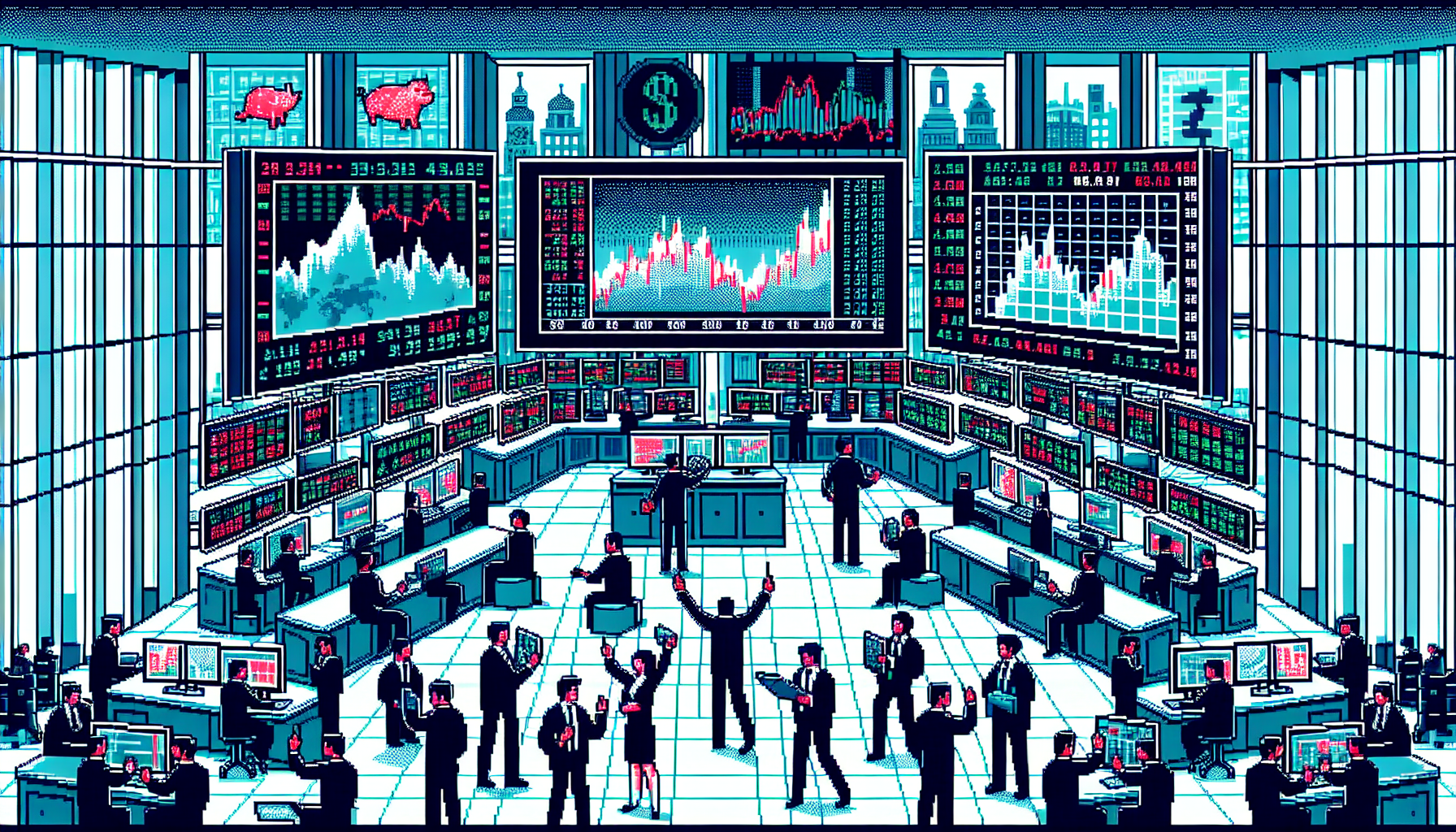
This digitization of the credit market is indeed a double-edged sword. While it offers convenience and speed, it also poses security challenges.
Cybersecurity risks are on the rise, as digital platforms become more prevalent.
Therefore, robust security measures are a must for these platforms to protect sensitive customer data and maintain trust in the system.
Another significant development in the credit markets is the increasing prevalence of sustainable finance. The concept of ‘green lending’ has gained momentum, with lenders being more conscious about funding projects that are environmentally friendly and sustainable. Investors are showing growing interest in green bonds and other such instruments that help mitigate climate change and foster sustainable development.
Moreover, central banks and regulatory bodies are taking a keen interest in maintaining the stability and integrity of credit markets. Regulatory measures are being enforced to ensure that lenders maintain sufficient liquidity, exercise prudent risk management, and adhere to ethical lending practices. The role of regulatory oversight has become even more crucial with the emergence of non-traditional lenders in the market.
Another trend worth noting is the growth of private credit markets. In a low-interest-rate environment, investors are seeking better returns, which has led to the growth of private lending – a largely unregulated sector offering higher-yield investments. This has its own set of risks and rewards, requiring astute risk assessment and due diligence on the part of investors.
As we move forward, the credit markets will continue to evolve, shaped by technology, regulation, and global socioeconomic trends. The role of credit markets in driving economic growth cannot be understated, making it a subject of ongoing interest for those in the finance sector as well as the general public.
Whether you’re an investor, a business owner, or an individual consumer, understanding these trends in credit markets can help you make informed decisions.
From choosing a lending platform to investing in debt instruments or planning your financial future, being aware of the dynamics of the credit market is invaluable.
The future of the credit markets is poised to be more digital, more sustainable, and more inclusive – a prospect that promises exciting opportunities and challenges alike.