Market briefing
Elevated Trading Activity: What Webull and Tradeweb's Record Volumes Mean for Investors
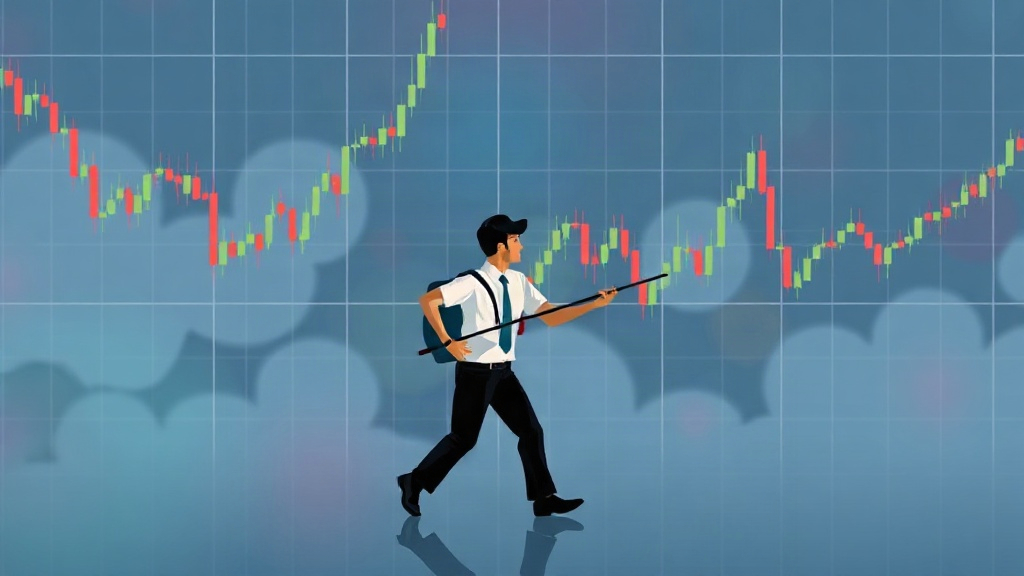
Trading activity remains one of the clearest indicators of how engaged investors are, and recent reports from across the industry suggest that engagement is still running hot. From retail-focused brokerages to institutional fixed-income platforms, the numbers point to a market where participation is broad, persistent, and increasingly digital.
Retail Platforms Are Still Benefiting From Elevated Activity
Webull recently reported third-quarter revenue that came in slightly ahead of expectations, and the company attributed the result to sustained elevated trading activity. The word "sustained" matters here. Brokerages have always seen spikes tied to volatile headlines or meme-stock frenzies, but those bursts tend to fade. Activity that holds up quarter after quarter suggests a structural shift in how individual investors approach the market.
Several factors help explain it:
- Low barriers to entry: Commission-free trading, fractional shares, and slick mobile apps have made it simple to place a trade in seconds. - Expanded product menus: Options, extended-hours sessions, and access to a wider range of assets give active traders more ways to participate. - Information on demand: Real-time data, social commentary, and on-platform research keep users close to market moves.
For brokerages, this translates into higher transaction-based revenue, along with growth in interest income and securities lending. For investors, it raises a practical question: is more activity actually better?
Institutional Markets Tell a Similar Story
The retail picture is only part of the equation. Tradeweb reported total trading volume of $78.9 trillion for October, with an average daily volume of $3.6 trillion. Those figures reflect the scale of electronic trading in rates, credit, equities, and money markets, where institutions increasingly rely on digital venues to execute large orders efficiently.
The takeaway is that electronification is no longer a trend to watch; it is the default. Portfolio trading, automated execution, and algorithmic workflows have made it easier for asset managers, dealers, and hedge funds to move size with tighter spreads and greater transparency. When volumes at this scale hold steady, it signals deep liquidity and healthy participation across market segments.
What Elevated Trading Activity Means for Investors
High volume is generally a positive sign for market functioning. It tends to narrow bid-ask spreads, improve price discovery, and make it easier to enter or exit positions. But it can also encourage overtrading, particularly among newer investors who may mistake activity for progress.
Research on retail behavior has long shown that frequent trading often erodes returns once costs, taxes, and poor timing are factored in. A busy account is not necessarily a productive one. A few habits can help keep activity purposeful:
- Define a strategy before placing trades. Know your time horizon, risk tolerance, and exit criteria in advance. - Track the true cost of trading. Spreads, slippage, and short-term tax consequences add up even when commissions are zero. - Size positions thoughtfully. Leverage and concentrated bets can magnify losses just as quickly as gains. - Review performance regularly. Compare results against a simple benchmark to see whether active decisions are adding value.
Signals Worth Watching Going Forward
Several indicators can help investors interpret where trading activity might head next. Average daily volume trends show whether participation is expanding or cooling. Brokerage earnings and account metrics reveal how retail sentiment is evolving. Volatility measures and shifts in interest rate expectations often act as catalysts, drawing both institutional and individual traders into the market.
It is also worth watching how platforms respond to sustained demand. Expect continued investment in advanced charting, AI-assisted research tools, round-the-clock trading access, and wider asset coverage. As competition intensifies, the platforms that pair innovation with strong risk education are likely to earn the longest-term loyalty.
The Bottom Line
Strong volumes at both ends of the market, from a retail-focused broker beating revenue expectations to an institutional platform processing trillions of dollars daily, show a trading environment defined by participation and technology. For investors, that environment offers real advantages in liquidity, access, and cost. The challenge is using those advantages with discipline, so that every trade serves a plan rather than simply adding to the volume.